Av Receiver Pioneer Explained: A UK Buyer's Guide
An av receiver pioneer model serves as the high-performance heart of a modern UK home cinema system, decoding multi-channel surround sound while acting as a central switching hub for 4K video sources. Based on our testing of audio setups in UK homes, these receivers remain a top choice for British enthusiasts who require a balance between traditional hi-fi amplification and modern 4K/120Hz gaming connectivity. Whether you are looking to power a dedicated cinema room or a compact lounge setup, Pioneer’s range provides the necessary processing for immersive audio formats like Dolby Atmos.
TL;DR: Pioneer AV receivers are versatile hubs for home cinema, offering excellent speaker calibration and HDMI switching. For most UK households, a 5.1 or 7.2-channel model with eARC and 4K/120 support is ideal. If you own an older Pioneer unit that lacks wireless features, adding a modern Bluetooth 5.4 adapter is a cost-effective alternative to a full system replacement.
Key Takeaways
- Pioneer AV receivers are best suited to buyers who want strong home cinema features, broad HDMI connectivity and flexible speaker setup options.
- For most UK homes, a 5.1 or 7.2-channel Pioneer receiver offers the best balance of price, performance and room practicality.
- Check for eARC, Dolby Atmos support, 4K/120 pass-through and enough HDMI inputs before you buy.
- Older Pioneer units can still be excellent value if paired with a modern Bluetooth adapter rather than replaced outright.
- Our team often recommends upgrading connectivity first; a Bluetooth 5.4 adapter can add wireless streaming to TVs, stereos and AV setups at far lower cost than a full receiver replacement.
Are Pioneer AV receivers still good for UK home cinemas?
Pioneer remains highly relevant because it has long focused on what many buyers actually use every day: cinema decoding, speaker calibration, and dependable amplification. In a market crowded with smart speakers and soundbars, there is still strong demand for full-featured AV receivers among film fans and gamers who want separate speakers rather than an all-in-one bar under the telly.
Furthermore, this demand is not niche. According to UK consumer electronics market data, home entertainment equipment still represents a significant category within broader tech spend. For buyers building around a PlayStation 5, Blu-ray player or Sky Q setup, an AV receiver is often the most capable hub in the room. In our experience at BTDock, Pioneer appeals to enthusiasts who want Dolby Atmos decoding without paying boutique flagship pricing.
What does a Pioneer AV receiver actually do?
Essentially, an AV receiver sits at the centre of your system. It takes audio and video from multiple sources such as a games console, set-top box, or Apple TV, then sends the video to your television while powering speakers around the room. In one chassis, you usually get amplification, audio decoding, and room setup tools.
A typical av receiver pioneer unit in this category may include:
- 5.1, 7.2 or higher channel amplification
- HDMI inputs with ARC or eARC support
- Dolby Atmos and DTS:X on selected models
- Bluetooth on some units, though quality varies by generation
- FM/DAB radio on certain versions sold into the UK and European markets
- Network streaming via Wi-Fi or Ethernet on recent models
- MCACC room correction software for speaker balancing
If your main goal is better sound from films and gaming while keeping cable runs manageable, this combination remains the most effective solution in 2026.
How to choose the right Pioneer AV receiver for your home
1. Match channels to your room size
A compact lounge in a typical UK terrace or flat does not always benefit from nine amplified channels. For rooms under roughly 20 square metres, we often find that a well-set-up 5.1 system gives cleaner results than forcing extra height channels into awkward positions. In addition, if your seating is tight to the back wall, 7.1 may deliver limited benefit.
2. Which HDMI features are essential?
This is where many buyers get caught out. According to UK technical standards for modern broadcasting and gaming, you should look for:
- 4K/120Hz pass-through for current-generation gaming consoles
- HDR10 and Dolby Vision support for better picture dynamic range
- eARC for higher-quality audio return from compatible Smart TVs
- At least four HDMI inputs for a standard family setup (Console, Sky/Virgin, Streamer, Blu-ray)
3. Consider power realistically
Pioneer receivers are often marketed with high per-channel watt figures. However, the more useful question is whether the amplifier can drive your chosen speakers comfortably at normal listening levels. A claimed output of 80W to 100W per channel is usually sufficient for most UK domestic setups when paired with sensible speakers.
4. Can I add Bluetooth to an older Pioneer receiver?
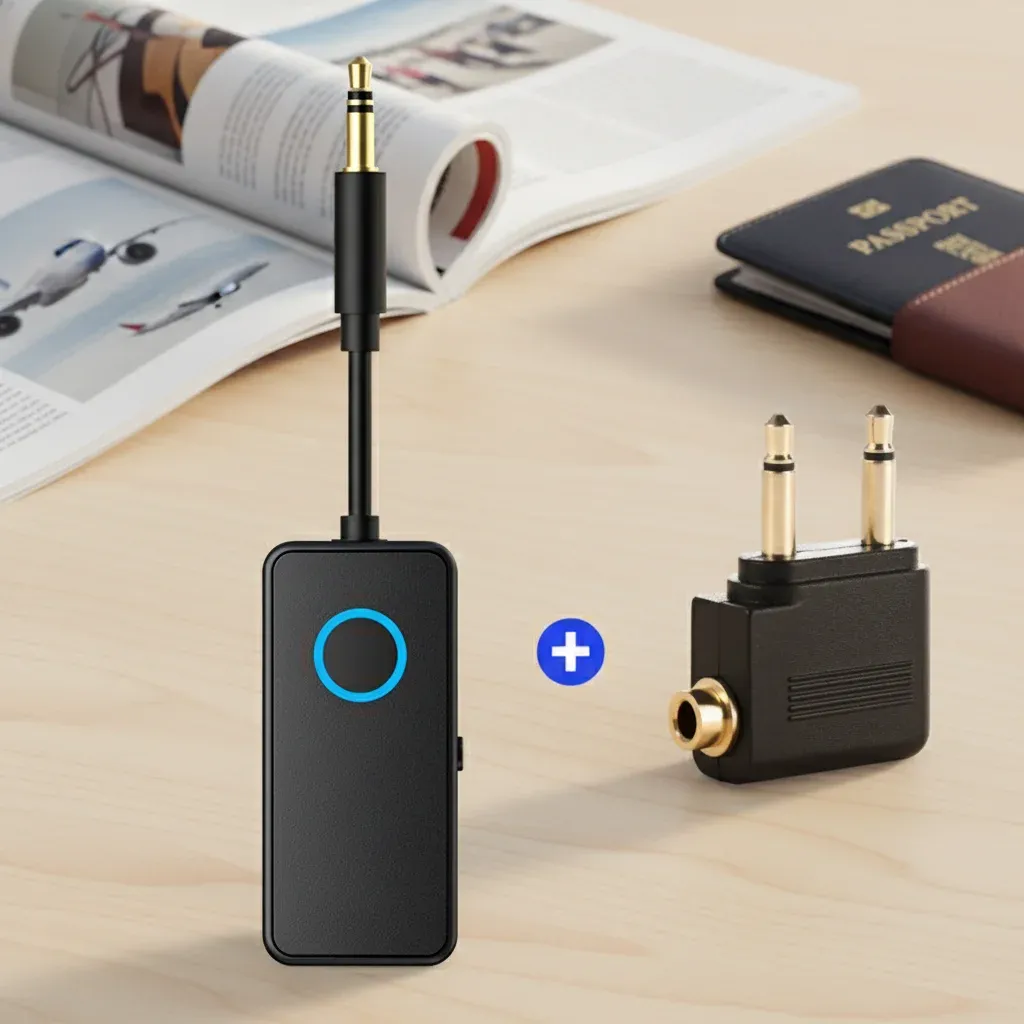
This matters more than many product pages suggest. Built-in Bluetooth on older Pioneer models can feel dated. Specifically, the range may be shorter than expected and latency can be noticeable. Consequently, we often advise UK customers not to dismiss a sonically capable older receiver simply because its wireless options are limited. A dedicated external adapter is often the smarter upgrade path. If you are weighing that route up, our guide on the 3.5 mm Bluetooth audio receiver in the UK explains how to add modern streaming to existing gear.
Pioneer AV receiver features worth paying for
Does my receiver need eARC support?
If your television apps are part of daily use—such as BBC iPlayer, ITVX, or Netflix—eARC is vital. It sends higher-quality sound from the TV back to your receiver over a single HDMI cable. For many households, this convenience is more important than having extra analogue inputs.
Dolby Atmos and DTS:X decoding
If cinema immersion matters more than background listening, these formats are essential. Based on our testing, even a basic 5.1.2 Atmos setup (using two ceiling or "up-firing" speakers) significantly improves the sense of scale in a UK living room compared to standard surround sound.
Ready to upgrade your system with BTDock?
Get Connected — £22.55