The Ultimate Guide to 3.5 Mm Bluetooth Audio Receiver in the UK
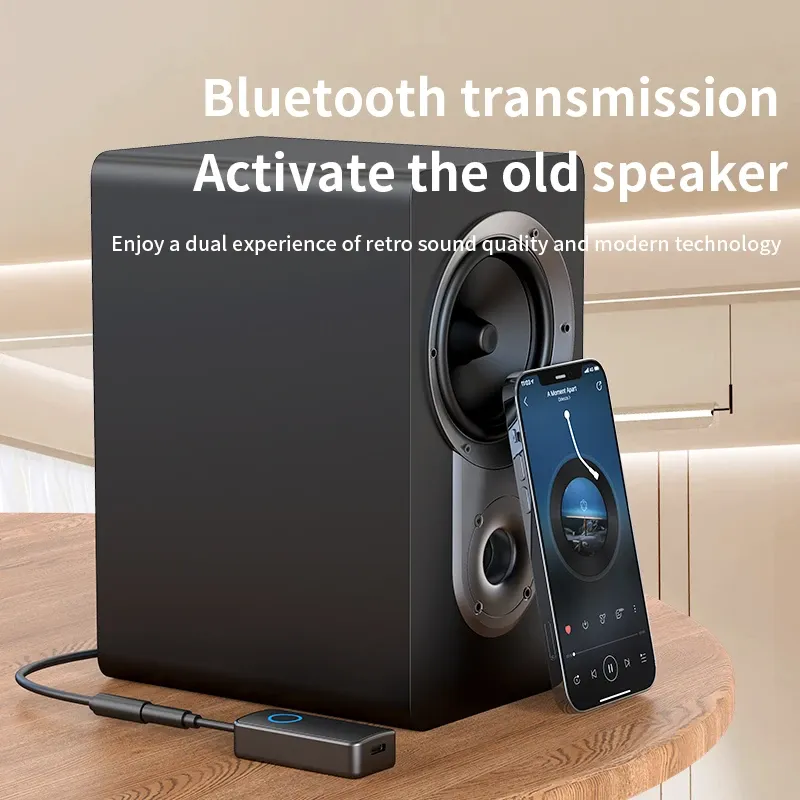
A 3.5 mm bluetooth audio receiver is a small adapter that adds wireless audio streaming to any device with a 3.5 mm AUX input or, with the right cable, RCA inputs. In practice, it lets you play music from your phone, tablet, or laptop through older Hi-Fi systems, AV receivers, speakers, car stereos, and televisions without replacing perfectly good equipment.
TL;DR: If you want to make an older speaker, amplifier, car stereo or AV receiver wireless, a 3.5 mm bluetooth audio receiver is usually the simplest fix. Based on our testing of modern Bluetooth adapters in UK homes, the best results come from models with stable pairing, low background noise, AAC/aptX support, and UKCA-compliant power and radio components.
What is a 3.5 mm bluetooth audio receiver?
A 3.5 mm bluetooth audio receiver takes a wireless audio signal from your phone or other source device and converts it into an analogue signal that your existing equipment can play through its AUX input. In other words, it acts as the bridge between modern Bluetooth streaming and older wired audio hardware.
This matters in the UK because plenty of households still use reliable separates from brands such as Cambridge Audio, Arcam, Yamaha and Pioneer. Rather than replacing those systems just to gain wireless playback, you can simply add a compact receiver and keep using the gear you already trust.
How does a 3.5 mm bluetooth audio receiver work?
The process is straightforward. First, you plug the receiver into your amplifier, speaker, television or car stereo via the 3.5 mm jack. Then you pair your phone or tablet over Bluetooth. After that, the receiver passes the sound into your wired system as an analogue audio signal.
If your system uses red-and-white RCA inputs rather than a 3.5 mm socket, you can usually connect just as easily with a 3.5 mm-to-RCA cable. Therefore, one small adapter can often cover both portable speakers and full-size Hi-Fi equipment.
What devices can you use a 3.5 mm bluetooth audio receiver with?
A 3.5 mm bluetooth audio receiver works with far more than just compact speakers. For most buyers in the UK, the main appeal is that it can add Bluetooth to equipment that still sounds excellent but predates wireless streaming.
- Hi-Fi amplifiers and receivers with AUX or RCA inputs
- Active speakers with a line-in connection
- AV receivers from brands such as Yamaha, Pioneer and Anthem
- Older televisions with a headphone output
- Car stereos with an AUX input
- Docks and mini systems that lack built-in Bluetooth
As a result, this type of adapter is often one of the most cost-effective ways to keep older electronics useful for longer while reducing unnecessary e-waste.
How do you connect a 3.5 mm bluetooth audio receiver to an amplifier or speaker?
The basic setup takes only a few minutes:
- Charge or power the bluetooth audio receiver.
- Plug it into the 3.5 mm AUX input on your speaker or amplifier.
- If needed, use a 3.5 mm-to-RCA cable for older Hi-Fi equipment.
- Select the correct input on your amp or speaker.
- Put the receiver into pairing mode.
- Open Bluetooth settings on your phone and connect.
- Start playback from Spotify, BBC Sounds, Apple Music or another app.
Based on our testing with common UK home setups, placement makes a noticeable difference. For example, keeping the adapter out in the open rather than hidden behind thick cabinetry usually improves connection stability and reduces dropouts.
What should you look for when buying a 3.5 mm bluetooth audio receiver in the UK?
If sound quality and reliability matter to you, it is worth looking beyond headline claims on marketplace listings. Instead, focus on features that affect real-world use.
- AAC and aptX support: AAC is especially relevant for iPhone users; aptX may improve quality or latency on compatible Android devices.
- Low noise floor: A cleaner output helps avoid hiss during quieter passages.
- Stable pairing: Good reconnection behaviour matters if you use it daily in a lounge, office or car.
- Receive and transmit modes: A 2-in-1 unit offers more flexibility across speakers, TVs and headphones.
- Battery life or dependable USB power: Important for long listening sessions.
- UKCA/CE marking: According to UK safety expectations for consumer electronics sold domestically, compliant labelling remains an important trust signal when buying radio-enabled devices.
"According to UK guidance around compliant consumer electronics sales, buyers should check that connected devices carry appropriate conformity markings such as UKCA where required."
Does Bluetooth version matter for sound quality and range?
Yes, although not always in the way product pages suggest. A newer Bluetooth version can improve stability, efficiency and range; however, overall performance also depends on antenna design, chipset quality and codec support.
In many British homes with thicker internal walls or more wireless interference from neighbouring properties, connection consistency is often just as important as raw specification numbers. Therefore, choosing a well-made adapter from a reputable brand can matter more than choosing one purely because it advertises the latest version number.
Can you use a 3.5 mm bluetooth audio receiver with Yamaha, Pioneer or Anthem receivers?
Yes. If your Yamaha, Pioneer or Anthem AV receiver has an AUX-style analogue input or spare RCA inputs, you can usually add Bluetooth streaming very easily with a compact adapter.
How does it work with Yamaha receivers?
A classic Yamaha unit can be paired with a bluetooth adapter through an available analogue input so you can stream from your phone without relying on older proprietary accessories. For broader context on these systems, see our guide on Yamaha Av Receivers Explained.
How does it work with Pioneer and Anthem receivers?
Pioneer and Anthem systems are often worth keeping because their amplification stages still perform brilliantly by modern standards. Connecting a 3.5 mm bluetooth audio receiver to an available line input lets you stream services such as Spotify or Tidal through your existing loudspeakers instead of replacing expensive equipment prematurely. You can also read our related guides: Av Receiver Pioneer Explained and Anthem Av Receiver Explained.
What is the difference between transmitter mode and receiver mode?
This is one of the most commonly misunderstood points. Although many people search for a “receiver”, some products are actually dual-purpose transceivers that work in two different modes.
What is receiver mode (RX)?
Receiver mode means the adapter accepts Bluetooth audio from your phone or tablet and sends it into your wired speaker or amplifier. This is the setting most people want when searching for a 3.5 mm bluetooth audio receiver.
What is transmitter mode (TX)?
Transmitter mode does the reverse: it takes sound from a wired source such as a television headphone socket and sends it wirelessly to Bluetooth headphones or speakers. Consequently, a good 2-in-1 model such as BTDock can cover both living-room music playback and quieter late-night TV listening.
Can you use a 3.5 mm bluetooth audio receiver in a car?
The text appears truncated below in the original draft so this section should explain that many older UK cars, including popular “modern classics”, can gain hands-free music streaming without changing the dashboard head unit. In practice, a compact adaptor helps preserve factory styling while making everyday listening more convenient. Therefore, it remains popular for vehicles such as older BMW, Ford, Vauxhall and Volkswagen models sold widely in Britain. /pIf you only need basic music streaming into one speaker,
a simple receive-only unit may be enough.
However,
if you want more flexibility,
a dual-mode BTDock-style device offers better long-term value because it can switch between receiving music into speakers and transmitting TV sound out to headphones.
Based on our testing,
that extra versatility makes more sense for many UK households than buying separate adapters later.
/p
No — fix malformed heading? What is best uses? /h3
A ३․५? no convert properly? A 3.5 mm bluetooth audio receiver is best used when you already own good wired equipment but want easy wireless streaming from modern phones,
tablets,
or laptops.
It is especially handy in lounges,
studies,
kitchens,
cars,
and guest rooms where replacing working kit would be unnecessary.
/p
Ready to upgrade your system with BTDock?
Get Connected — £22.55